
Behind the Scenes: 8 Patterns That Predict Who Won't Last in Music (The Non-Performer Reality)
Working across labels, management, events as music industry, I could always tell who'd quit. Here's how.


Last week I wrote about the musicians I could usually tell wouldn't last. But performers aren't the only ones who leave. After 20 years working behind the scenes, I saw similar patterns among managers, publicists, promoters, journalists, grant writers, label staff and everyone else who wanted to build a career in music.
Looking out at my bright-eyed entertainment management students, I remember thinking 95% wouldn’t last full-time in the industry.
1. They thought the job was concerts, not work.
So many of my former students got into music because they thought it was ‘cool.’ Whether I was self-employed or working for big clients, 10-12 hour days were normal.
I saw this often with interns at music companies. They’d get confused when they actually had to do tedious work like counting overstock merch or matching physical receipts for accounting. Like when an intern asked me how to mail a letter, I felt like Damian in Mean Girls. (‘She asked me how to spell orange.’)
They wanted the coveted backstage pass before understanding what happened backstage.
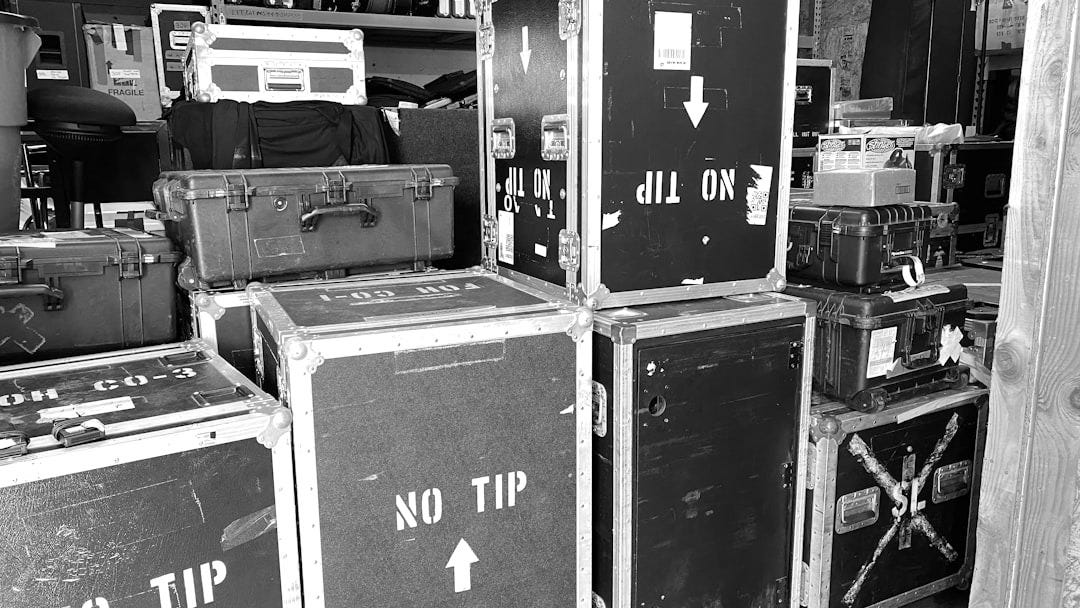

2. They didn’t understand that music is a business.
Behind-the-scenes work is a ton of time-sucking administration. If you’re not ready to work on spreadsheets at least once a day, this ain’t for you. People think this industry is all live shows. In reality, they're maybe 10-15% of the job if you’re on the admin, non-tour crew. Otherwise, you’re ensuring your artist/client has shows or development opportunities to keep the lights on. While I developed opportunities for emerging artists and figured out funding strategies, the arena-acts’ success allowed management and labels to invest in other projects. And God forbid you forget one important signature on an important document (e.g. travel visas, affidavits).
My favourite artists I worked with knew when to take off their creative hat and put on their business hat. They could be incredibly business-savvy. They’d dig into logistics, budget planning, and ultimately figuring out how they’d make a living.

3. They thought the music industry would make them rich.
Some thought they’d get rich, or at least famous by association. That’s not realistic. Thinking that you will make money immediately is laughable.)
So many artist management contracts have clauses that the artist can’t get out for the first 3-5 years. I still see job postings advertising $35K/year for entry-level roles… and there are 100+ applicants. There is no get-rich-fast option. In reality, management will LOSE money investing in artist development. It takes strategy, time, and connections to go to market properly, re-launch an artist or create a brand. Team building.
Picture this: you’re 18 at a party, saying you run a music label and people fawn over you. You’ve got connections, you probably hang with the coolest artists possible, celebrities included… but you can’t pay the bills in big cities like Toronto, LA, or Nashville. In reality, there are far fewer labels outside of the big three (Major props to some incredible indie labels that have been around for 10+ years!). Giving yourself a ‘cool’ title doesn’t give you shit unless you’re willing to put in the work.

4. They stopped asking questions.
Some people think they know everything.
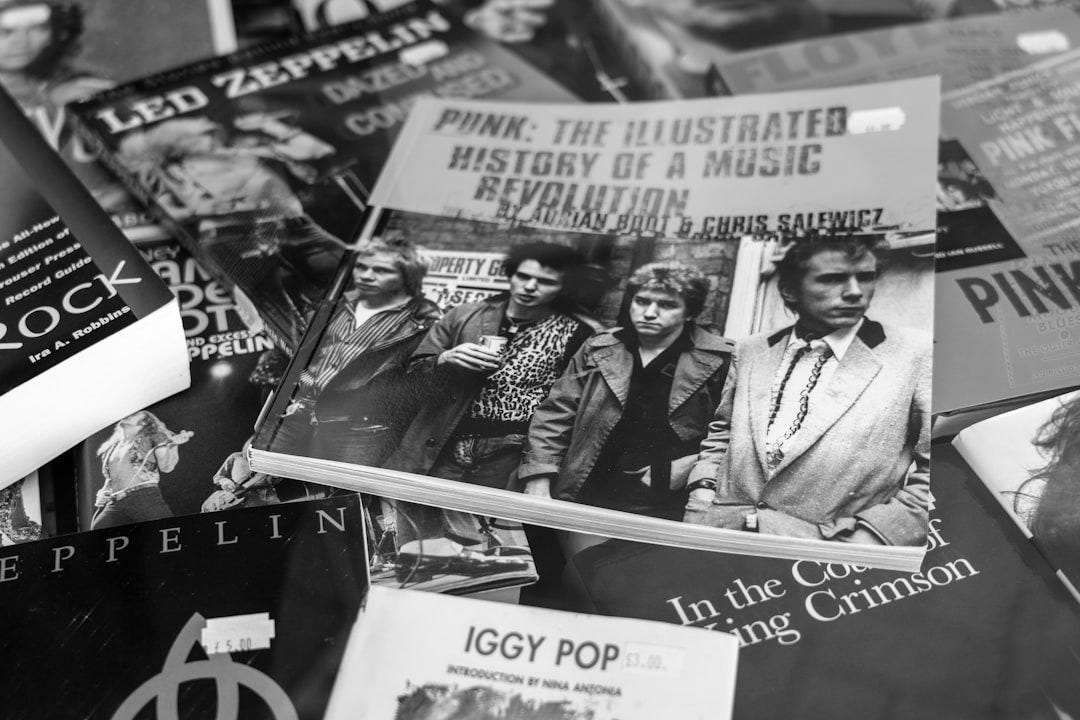
Understanding the music industry means being curious about trends, funding, marketing opportunities, etc. If not, to quote Johnny Rotten, “No future for you!” You may have gone to school for sound production. Maybe they found mentors, people older and wiser willing to share how they made it.
When I started 20 years ago, I had dial-up internet. Reddit didn’t exist. I had to rely on local message boards for tips on how to book concerts. Now potential music industry workers are spoiled with information. It takes 1 minute to sign up for a music industry or musician association newsletter.
You can’t be lazy and assume all opportunities will come to you and that you’re always the one who knows best. With social media marketing and music consumption trends changing every few months, everyone is just trying to know enough to keep up.
5. They treated relationships as transactions.
Ever been to a party where someone rushes over to greet you with a hug and tells you how excited they are to work with you only to have them staring at the door looking for the next bigger, better industry professional to abandon you for? I’d usually toss those cards they swiftly handed me into the bin by the end of the night.
Manners matter. Good, kind and caring folks stick together… for decades. If you’re rude to that assistant at the marketing company, that’s an immediate reflection on your longevity. You don’t know who’s connected to whom. The music industry is TINY. If someone important hears you talking shit, it can get around very fast and you can be black-listed. It’s all about relationships and it’s easy to burn bridges when you talk shit, constantly self-promote or talk down to entry-level employees.

6. They waited to be discovered instead of creating their own breaks.
If you’re looking for a steady and secure job, this ain’t it. The best roles aren’t advertised. I created my own by finding missed opportunities, like cold-pitching RBC Bluesfest when Ottawa had no music industry education events. I worked there for 2 years.
You can’t wait for someone to “CHOOSE YOU, PIKACHU!” No one is going to notice you if you’re not active in the community. Start simple; a music blog, a Substack. I started a blog in 2002 that got me into events I had no business attending. That led to booking shows, managing artists.
I had no mentors. I had to learn the hard way, often by failing, often starting before I was ready.
7. They thought passion would compensate for professionalism.
“If you ever say ‘That’s not my job,’ you’re out. In music, you help everyone get the thing done. For example, I may not know how to properly operate a PA system, but I can damn well help with load-in, keeping the cops from towing your car as merch comes out, and grabbing the venue wifi password for tech run-throughs. You can’t treat professionalism as optional just because you love music. They go hand in hand if you want to make this your career.
Show up. Do the work. On time. Watch the Grammys to learn trends, not because you love the nominees (like BTS!).
Be organized. Say “Oops, I forgot” once? Done. I won’t want to work with you.
If you’re the one getting sloppy drunk or high or hitting on people or talking shit, you’re also out. It’s amazing how often I’ve seen this at high-level events.
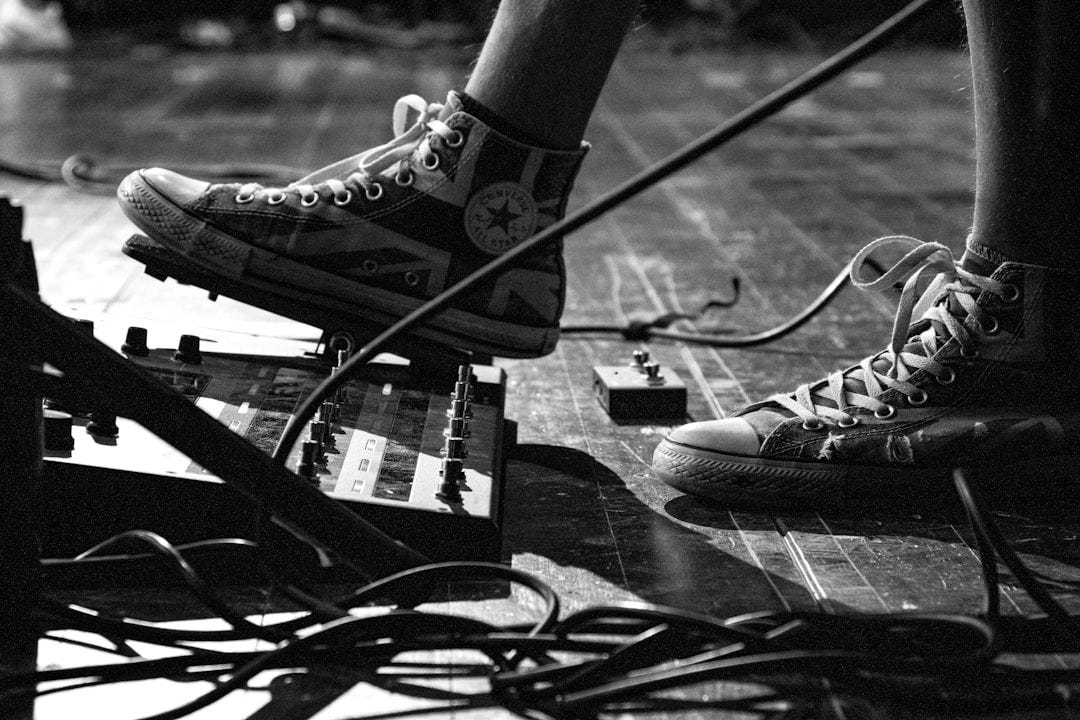
Professionalism also means taking yourself seriously, like wearing appropriate safety equipment when required. Ear plugs, steel-toe boots. It’s not like the industry has a pension plan. Don’t make stupid mistakes because you want to look ‘cool.’
8. They underestimated what the industry would ask them to sacrifice.
You have to live, breathe and sleep music. (I’ve had marketing strategies come to me in dreams.) If you’re not comfortable at concerts until 3am surrounded by drunk people, this isn’t for you.
You need to learn what your body can endure. I once did a 19-hour day as a festival project manager. (Yes, I was delirious.) But if you weren’t committed 110%, you weren’t going to make it.
Boundaries can become blurred, especially if you're a woman or identify as a minority. Unwanted physicality, harassment and assault are all things I've survived. It's one of the realities of this industry that doesn't get talked about enough, and for some people, it's one of the reasons they leave.
Your time stops being your time. It’s about reliability. Can you be trusted? Often that means 10-hour days alone at your laptop, sipping tea, your cat asleep next to you, making barely above minimum wage. If you needed work-life balance, you weren’t going to last.
You had to care SO much about an artist’s success, even if they weren’t your favourite type of music. You were invested because they had to succeed for you to pay rent.

I worked my ass off, made opportunities for myself where there were none, and proved myself time and again without any mentorship or specialized training. I’m smart and was genuinely motivated to help musicians get their art out into the world.
But I was also hurt. Physically. Emotionally.
That’s the part they don’t tell you in those college courses. It's also the story I never felt safe enough to tell until now. That's the memoir I'm writing.
Follow along for more about my upcoming memoir, Girl, Don’t Get Sassy: Surviving the Music Industry.
Want More Music Industry Insider Stories?
25 Concert Confessions: What Were You Willing to Do to Get to a Concert?

I once stole my mum's car and drove two hours away to see the Matthew Good Band. That wasn't even the craziest thing I did to get to a concert. Turns out, concert addiction is expensive when you can barely afford rent.
I Could Tell Within 5 Minutes Who'd Quit: 8 Signs I Never Ignored in Musicians

After 20 years in the music industry, I stopped looking for talent. I started looking for the artists who would still be here five years later. Usually, all it took was five minutes on their website, Instagram and Spotify to see the same patterns emerge.
The $100K Coffee Cup: How Google Breaks the Music Industry

With high school graduation just around the corner, some students are no doubt considering a career in the music industry. But what if they don’t see themselves in a basic Google search? If a 17-year old girl looks up “music industry” she would assume that if she wan…
Last ones good! 👍
Oooohhh...I want to get my hands on that memoir, where do I sign?